Wildfire Costs Are Already in California Power Bills. A 57% Request Shows How Uneven the Load Can Be.

As of Jan. 1, 2026, wildfire-related costs made up $29, or 14 percent, of PG&E’s typical bundled residential non-CARE monthly bill, $26 of Edison’s and $19 of SDG&E’s, the CPUC reported. From 2020 through 2026, those three utilities’ customers paid more than $35 billion in wildfire-related costs, with more already approved for later collection. PacifiCorp […]

Continue Reading

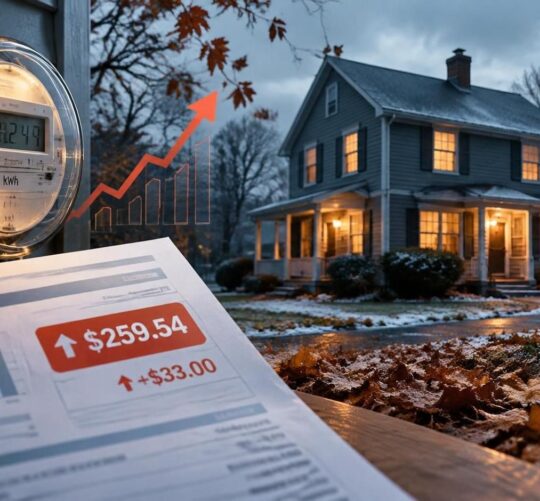
National Grid’s 600-Kilowatt-Hour November Bill Is $259.54, Up $33. Heating Oil in Massachusetts Is Still Near $6.

The company’s Basic Service rate is 17.2 cents a kilowatt-hour, up from 15.4 cents. Official heating-oil surveys now sit just under $6, below a $6.21 figure first reported Nov. 9. A one-time state oil benefit of up to $680 opens in December. The rest of federal heating aid depends on a Dec. 11 funding deadline. […]

Continue Reading

The Blue Wave’s Energy Reckoning: Rate Freezes, Grid Collapse, and Why Refineries Matter

In this episode of the Energy News Beat podcast, hosts Stu Turley and Rey Trevino dive deep into how the recent political shifts are reshaping America’s energy landscape. From California’s controversial rate-freeze proposal to Senate permitting reforms, the hosts examine the real-world consequences of energy policy decisions on consumers’ wallets and grid reliability. They explore […]

Continue Reading

Germany’s Carmakers Are Cutting at Home. Britain’s Steel Is on Life Support.

California Gasoline Is $5.63. The Energy Bill Is the Part Governments Control. German automakers put China and a brutal electric-vehicle price war first, and they are right to. Energy costs show up most clearly in the chemicals plant, in Britain’s steel towns, and at the California pump. German automakers put China and a brutal electric-vehicle […]

Continue Reading

If Texas Follows California on a Power-Price Freeze, the Blackout Risk Is Later Winters

Gov.-elect Gina Hinojosa pledges a Day One emergency order to freeze electricity rates. Texas households already pay more per kilowatt-hour than they did in 2020, but far less per kilowatt-hour than Californians, and ERCOT’s January outlook is comfortable. California’s 2000–01 record is a warning, not a prediction: freeze retail prices while costs rise, and the […]

Continue Reading