Pacific Gas and Electric Customers Pay $29 a Month for Wildfires, and the $18 Billion Backstop Is Empty

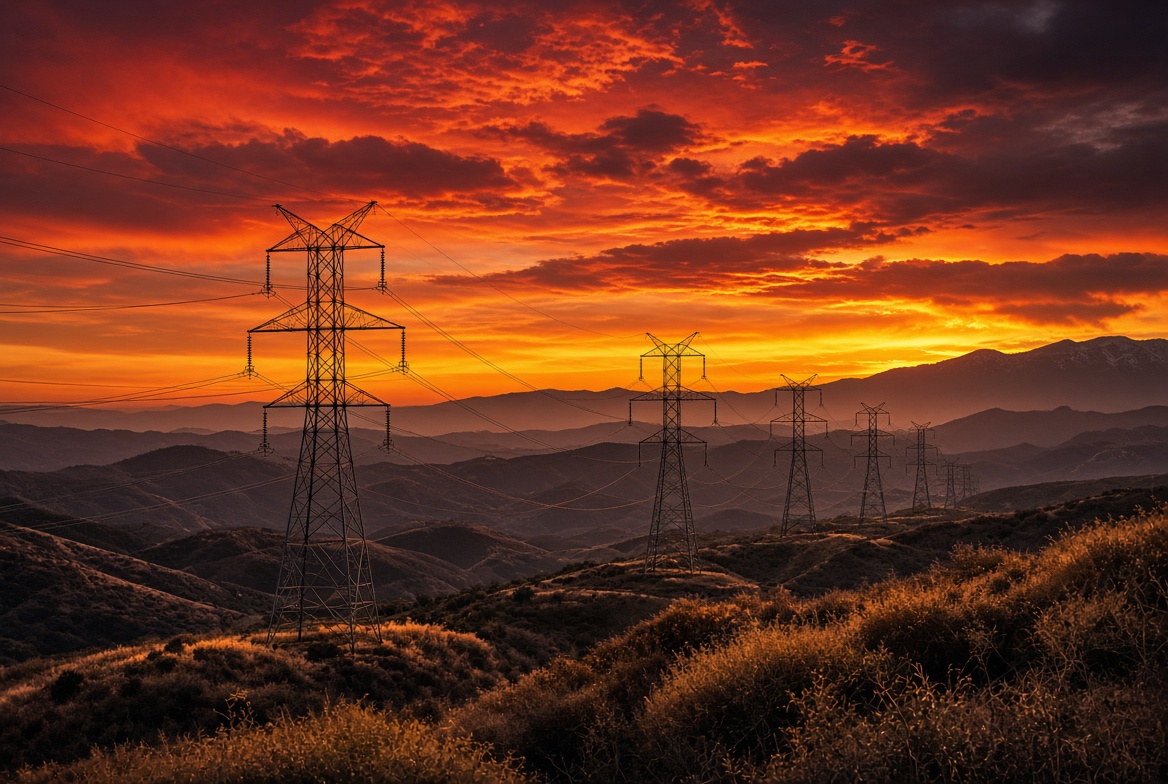
Inland PG&E customers without rooftop solar pay about $55 a month. California’s average residential rate is 31.35 cents a kilowatt-hour, far above the U.S. average. Shareholder payments into the new fund do not start until 2029. Pacific Gas and Electric customers paid $29 a month for wildfire costs as of Jan. 1, 2026, about 14% […]

Continue Reading
Europe’s Net-Zero Bet Hasn’t Delivered Cheap Power. Some U.S. States Are on a Similar Path

Daniel Lacalle says net-zero policy sabotaged Europe’s chance to fix its energy crisis. Eurostat still puts fossil fuels at two-thirds of the EU’s energy supply. In the United States, several states with 100% clean-power or net-zero mandates already pay well above the national average for electricity — though a mandate is not, by itself, a […]

Continue Reading

A German Think Tank Says Germany’s Economy Won’t ‘Survive’ the Energiewende. The Cost Figure It Cites Isn’t a Bundestag Calculation

Republik 21’s expert council says Germany’s economy and society will not survive a 10-to-13.8-trillion-euro cost. The Bundestag brief it cites does not calculate that total. Households already paid 36.18 euro cents a kilowatt-hour in the first half of 2026, and Berlin is buying new firm power. On Sunday morning, Nov. 22, 2026, UK energy consultant […]

Continue Reading

Who Pays for Britain’s Wasted Wind? A £1 Billion Treasury Top-Up, and a Bill That Comes Due in 2027

The Telegraph reports that NESO, the government-owned system operator — not listed National Grid — confirmed a £1 billion top-up to its working-capital facility after a windy, expensive autumn. Official figures put October balancing costs at £740 million and the unpaid remainder at £1.22 billion. That facility changes when households pay, not whether they pay. […]

Continue Reading

NYISO Calls It New York’s First-Ever Statewide Power Shortfall. The Fix Needs New Generation, Not Just More Wires

Mark Levine accurately quoted NYISO’s New York City figures: about 400 MW short in 2032, growing to about 1,850 MW by 2036. The grid operator’s ‘first-ever’ label applies to a statewide resource deficiency that begins in 2033. NYISO has flagged New York City reliability needs before, including a 446 MW summer-2025 warning in 2023. New […]

Continue Reading

Wright Tells Western Europe to Stop Closing Power Plants. Blue States Are Running a Similar Test.

At a Warsaw energy conference, the U.S. energy secretary, as reported by The Wall Street Journal, said prosperity requires an energy-addition mindset. European household power still costs far more than the U.S. average, German energy-intensive output is down sharply since 2022, and EIA data show California, New York, Massachusetts, New Jersey and Connecticut well above […]

Continue Reading

The UK’s Renewable Push Hits a Grid Bottleneck — and the Unreliable Scenario It Is Creating

Britain has spent years accelerating wind and solar deployment under Clean Power 2030 and net-zero targets. The generation numbers look impressive on paper. The grid, however, was not built for them, and the mismatch is now producing record costs, regular curtailment of green power, emergency interventions, and growing questions about reliability. Felicity Bradstock’s October 25, […]

Continue Reading