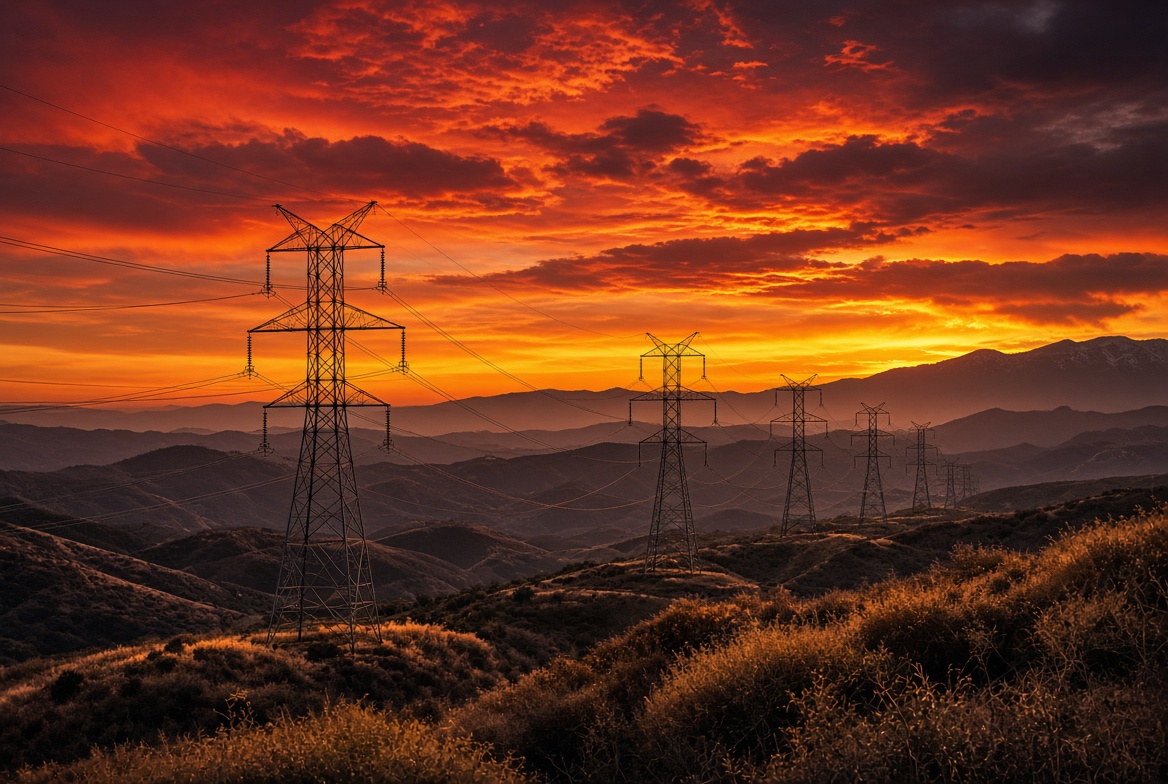
Crude Heads for a 2027 Glut, Yet Diesel Stays Tight: Why Russian Refinery Damage and U.S. Coastal Closures Split the Market

Russia’s seaborne crude exports are running above any annual average since 2022, and the IEA and EIA both project a 2027 surplus near 4 million barrels a day. But damaged Russian refineries, Gulf product-export losses, about 547,500 b/d of U.S. refinery closures since early 2025, and essentially no new U.S. or Canadian refining capacity forecast […]

Continue Reading
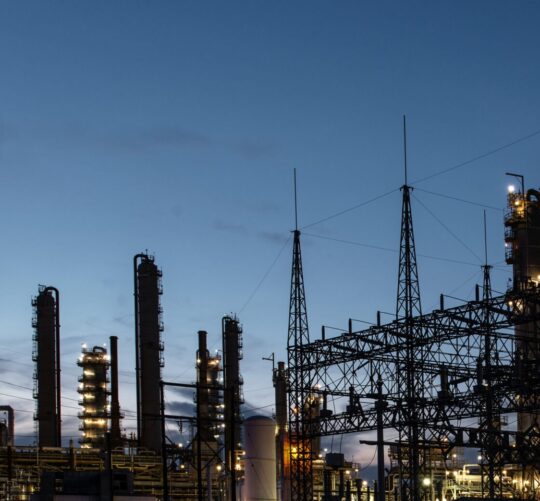

Diesel Falls 24.2 Cents to $5.695. Narrowing Margins Could Put Deferred Refinery Maintenance Back in Play.

EIA’s weekly diesel average is down 83.4 cents from its September record, while AAA sits at $5.765 today. U.S. refiners ran at 95.7% capacity in mid-November and pushed 2026 turnarounds into 2027, leaving tight inventories exposed if lower margins invite earlier maintenance. Truckers, farmers, and freight haulers heading into Thanksgiving are finally getting meaningful relief […]

Continue Reading

Princeton Dropped Its Oil-Stock Ban in June. Energy Stocks Have Returned 162% Since the End of 2019

Colleges that stayed invested collected the energy rally, Bloomberg reports. Harvard’s October climate update omitted the fossil-fuel percentage last published as under 2%. MIT, which refused to divest, returned 10.3%. SpaceX, more than oil, drove several of the top fiscal 2026 results. Princeton University’s investment company ended its voluntary ban on publicly traded oil and […]

Continue Reading

US Gas-Heat Bills Are Forecast at $640 This Winter, Down 9%. Europe’s Benchmark Hit €96.

The December Henry Hub contract settled at $3.184 on Monday, down 6.65%, its biggest one-day drop since February. EIA now sees the winter Henry Hub spot price averaging $2.87, 16% below last month’s forecast. Dutch TTF settled at €92.50 after touching €96.08. Households that heat with natural gas are looking at a cheaper winter than […]

Continue Reading

Pacific Gas and Electric Customers Pay $29 a Month for Wildfires, and the $18 Billion Backstop Is Empty

Inland PG&E customers without rooftop solar pay about $55 a month. California’s average residential rate is 31.35 cents a kilowatt-hour, far above the U.S. average. Shareholder payments into the new fund do not start until 2029. Pacific Gas and Electric customers paid $29 a month for wildfire costs as of Jan. 1, 2026, about 14% […]

Continue Reading

Nvidia Reinstates Jensen Huang as CEO. The Stock Jumped After the News. The Investigation and the Power Bill Are Not Settled.

Nvidia shares were at $168.77, up 34.4% from Friday’s close of $125.53, as of 9:34 a.m. Central Time, according to Yahoo Finance. The stock was already up about 8% in premarket trading after Friday’s sell-off, before the company announcement. The climb toward 30% began at 7:55 a.m. Central Time, after the news was out. The […]

Continue Reading

Wright Says U.S. Diesel Will Keep Falling. The National Average Is $5.82, and Inventories Are Still Tight

Dow Jones reported that Energy Secretary Chris Wright said prices are likely to keep falling from record highs as Persian Gulf refined products return and unsanctioned Russian diesel adds supply. Distillate stocks have rebuilt to 104.9 million barrels, still about 7 percent below the five-year average. EIA now sees tight product markets through 2027, with […]

Continue Reading

Europe’s Net-Zero Bet Hasn’t Delivered Cheap Power. Some U.S. States Are on a Similar Path

Daniel Lacalle says net-zero policy sabotaged Europe’s chance to fix its energy crisis. Eurostat still puts fossil fuels at two-thirds of the EU’s energy supply. In the United States, several states with 100% clean-power or net-zero mandates already pay well above the national average for electricity — though a mandate is not, by itself, a […]

Continue Reading

NYISO Calls It New York’s First-Ever Statewide Power Shortfall. The Fix Needs New Generation, Not Just More Wires

Mark Levine accurately quoted NYISO’s New York City figures: about 400 MW short in 2032, growing to about 1,850 MW by 2036. The grid operator’s ‘first-ever’ label applies to a statewide resource deficiency that begins in 2033. NYISO has flagged New York City reliability needs before, including a 446 MW summer-2025 warning in 2023. New […]

Continue Reading