

Oil, Global Markets, and LNG Scenarios in the 2026 Iran Conflict
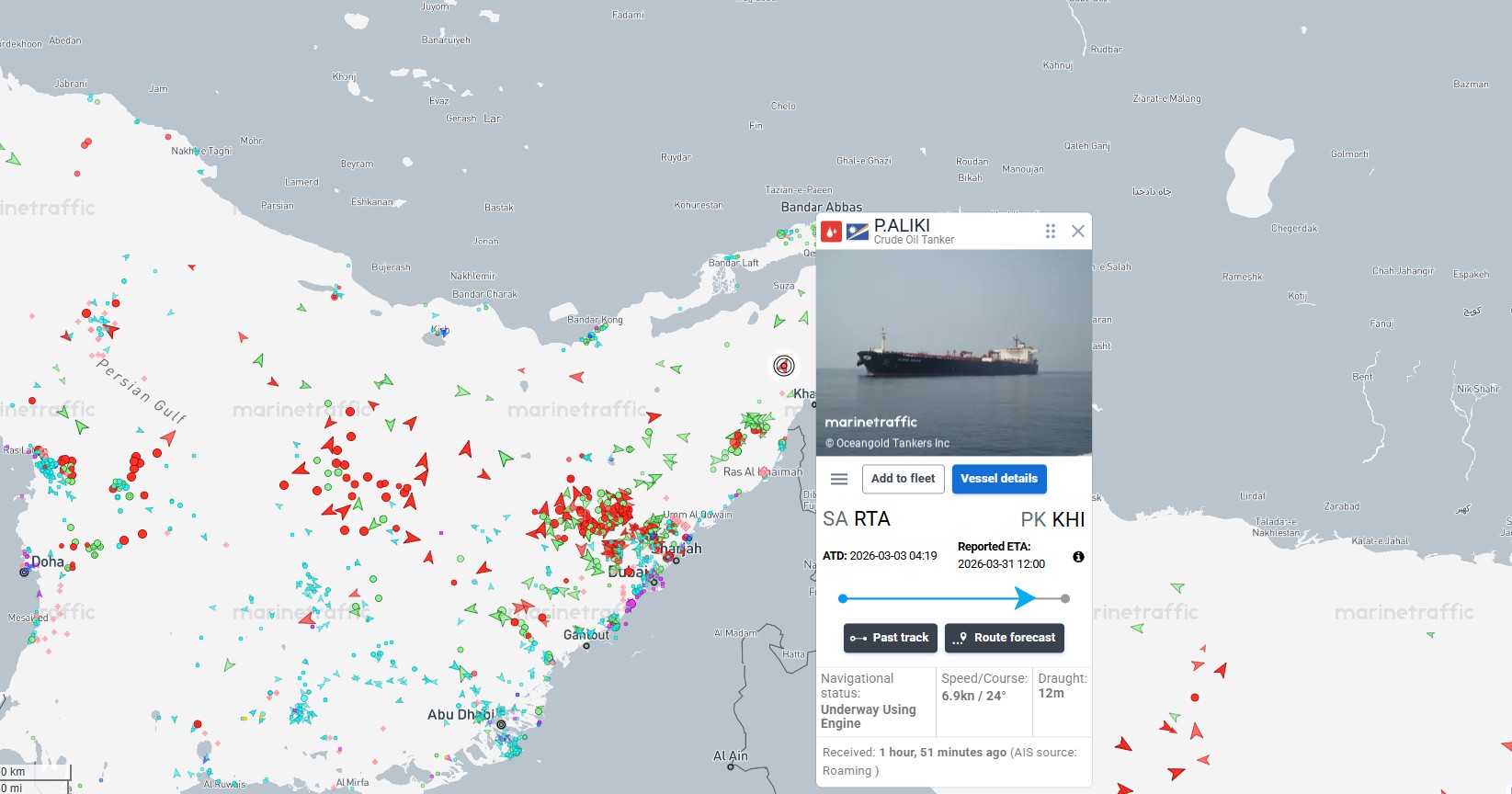
Energy News Beat Channel | April 7, 2026The Strait of Hormuz — the narrow waterway through which roughly 20% of global seaborne crude oil and 20% of liquefied natural gas (LNG) typically flow — remains effectively closed to commercial traffic as of April 7, 2026.
Since the U.S.-Israeli military operations against Iran began on February 28, Iran has used threats, attacks on vessels, and selective enforcement to halt nearly all tanker traffic. Daily transits have plummeted by about 95%, with only Iranian-flagged or allied vessels moving limited volumes.
Odds the Strait opens tomorrow (April 8, 2026)? Near zero.
President Trump has set an 8 p.m. ET deadline tonight for Iran to reopen the waterway or face escalated strikes on power plants, bridges, and other infrastructure. Iran has rejected U.S. proposals and paused ceasefire talks.
Betting markets and analysts put the chance of any meaningful diplomatic breakthrough by tonight at under 5%, with no expectation that physical reopening could occur overnight even if a deal were reached. The strait’s status is now tied to the broader war, and full commercial traffic restoration would require weeks or months of de-escalation, naval escorts, and insurance normalization.
Current Prices (as of April 7, 2026 close)
Brent crude: Approximately $110–$111/bbl (up ~75% year-over-year and trading near multi-year highs after peaking above $120 earlier in the crisis).
WTI crude: Around $114–$116/bbl.
Asian LNG spot (JKM Platts): ~$19.97–$20/MMBtu (elevated but below earlier 2022-style peaks due to partial offsets from non-Gulf supply).
These levels already embed a significant geopolitical risk premium and reflect the ~11 million barrels per day (bpd) of effective oil supply disruption after accounting for SPR releases, Saudi/Emirati pipeline bypasses, and rerouting.
Scenario 1: Strait Opens (Low-Probability Near-Term Outcome)
If a ceasefire materializes and Iran allows full commercial transit to resume:
Oil markets: Prices could fall 20–40% within weeks as the ~18–20 million bpd Gulf export capacity returns. Global inventories (bolstered by U.S. SPR releases) would cushion the shock, but full normalization might take 1–3 months due to insurance, crewing, and scheduling backlogs.
Brent could test $70–$85/bbl by Q3 2026 if production ramps quickly.
LNG markets: Qatar’s Ras Laffan complex (the world’s largest LNG hub) would restart exports faster than oil infrastructure in some cases, but restart logistics could delay full volumes. JKM prices would likely drop below $15/MMBtu, easing pressure on Asian buyers (China, Japan, South Korea, India).
Global markets: Equity markets rally, inflation expectations ease, and emerging-market currencies stabilize. Demand destruction already underway would reverse, supporting economic growth.
Caveat: Even in this scenario, the EIA warns motor-fuel prices could remain elevated for months due to lagged refinery and logistics adjustments.
Scenario 2: Strait Stays Closed (Base Case)
Continued effective closure through April and beyond:
Oil markets: Supply shortfall persists at 8–11 million bpd net. Brent could test $130–$167/bbl by Q3–Q4 if the war drags into summer, per Dallas Fed and Macquarie modeling.
Alternative routes (Saudi East-West pipeline, UAE pipelines) and OPEC+ quota increases provide only partial relief.
LNG markets: Qatar’s ~70–80 mtpa of exports (roughly 15–20% of global LNG) remain stranded. Asian spot prices could spike toward $25–$40/MMBtu, with knock-on effects to Europe via cargo diversion. Restarting Qatar’s facilities post-conflict could take months due to potential infrastructure damage.
Global markets: Higher energy costs feed inflation (U.S. headline CPI potentially +1.8 points), slow GDP growth (euro area and Asia hit hardest), and pressure emerging markets. Stock markets remain volatile; fertilizer and shipping costs rise further.
Will demand destruction kick in, or will oil “just go up”?
Both, but demand destruction is already beginning and will intensify if the closure lasts beyond June. At $110+ oil, high prices are curbing consumption through higher gasoline/diesel costs, reduced industrial activity, and fuel rationing in parts of Asia.
The Dallas Fed notes that extended disruption could shave 2–3% off global GDP while pushing oil to $167.
Short-term, prices rise faster than demand falls (classic supply-shock dynamics). Longer-term (3–9 months), demand destruction becomes the balancing mechanism: airlines cut flights, manufacturers slow output, and households conserve. History from the 1970s and 2022 shows this process takes time, but eventually caps prices — unless military action further damages infrastructure.
Bottom line for energy traders, policymakers, and businesses: Tomorrow’s odds favor continued closure and elevated prices. Markets are pricing in prolonged risk. Monitor tonight’s deadline and any U.S. military moves — they will set the tone for Q2 energy volatility. A quick diplomatic breakthrough remains the only realistic path to meaningful price relief before summer.
Appendix: Sources and Links
All data drawn from publicly available reporting and analysis as of April 7, 2026. Key references include: BBC: “Iran war: What is the Strait of Hormuz and why does it matter?” (April 6, 2026) — https://www.bbc.com/news/articles/c78n6p09pzno
Wikipedia: “2026 Strait of Hormuz crisis” — https://en.wikipedia.org/wiki/2026_Strait_of_Hormuz_crisis
Bloomberg: “US and Iran Dig in on War Demands as Hormuz Remains Closed” (April 1, 2026) — https://www.bloomberg.com/news/newsletters/2026-04-01/us-and-iran-dig-in-on-war-demands-as-hormuz-remains-closed
Trading Economics / CME Group: Brent and JKM futures data (April 7, 2026 closes) — https://tradingeconomics.com/commodity/brent-crude-oil and https://www.cmegroup.com/markets/energy/natural-gas/lng-japan-korea-marker-platts-swap.html
Reuters, NYT, CNBC, Dallas Fed, and Oxford Institute for Energy Studies reports on price impacts and demand destruction (March–April 2026). Full links available in the original search results cited inline above.
Energy News Beat will update this analysis as events unfold tonight and tomorrow.