
ENB Pub Note: The Energy Bad Boys are one of my favorite Substack authors out there, and I am sending them a note to get them on the podcast. This is an outstanding article, and will be covered on the Energy News Beat Stand up later today. We highly recommend subscribing to their Substack as a paid patron.
NextEra Energy Resources is descending upon my home county of Waupaca, Wisconsin, seeking to build a 300- to 375-megawatt (MW) solar facility called the Cloverleaf Solar Project. The project would be located on 1,500 acres near Clintonville, Wisconsin.
You’d be forgiven if you’ve never heard of Clintonville, or aren’t sure how to pronounce Waupaca (Wah-Pack-Ah), but today’s post will discuss how the expansion of solar into Central Wisconsin is emblematic of why Wisconsin electricity prices have gotten so expensive in the last decade.
Rising Power Prices in the Dairyland
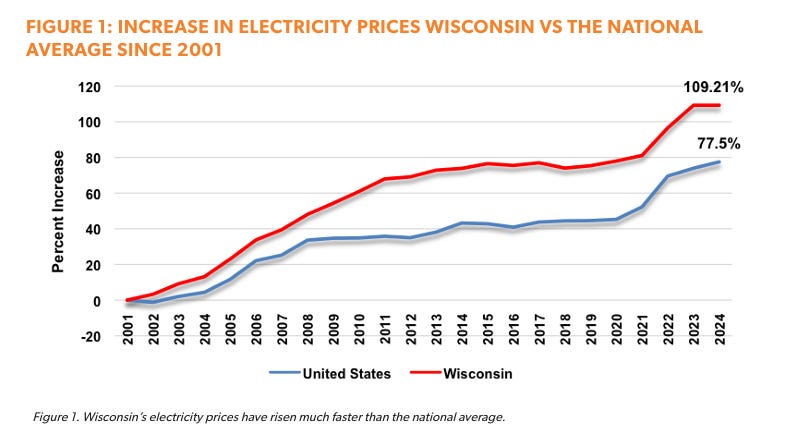
These cost increases are driven by two main factors that will surprise exactly zero of our readers: premature coal plant retirements and utilities spending billions of dollars on wind, solar, battery, and natural gas facilities to replace them.
Wisconsin Utility Regulation: The Worst of Both Worlds
Unfortunately, Wisconsin has the worst of both worlds when it comes to monopoly utility regulation.
Customers have no option to choose their own provider, and there is no integrated resource planning process in Wisconsin, which means monopoly utilities like We Energies, Alliant Energy, and Xcel Energy can, and routinely do, shut down their resources without approval from the Wisconsin Public Service Commission (PSC).
This means utilities can force ratepayers to pay for demolished assets for decades after they shut down, which is exactly what happened with the Pleasant Prairie coal facility in Southeastern Wisconsin.
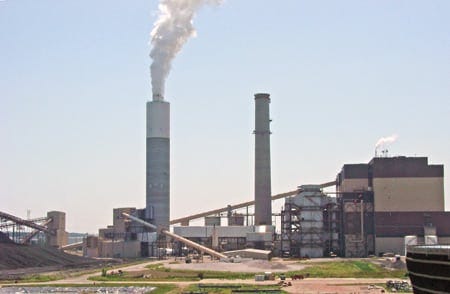
With units placed into service in 1980 and 1985, Pleasant Prairie was a relatively young power plant when We Energies prematurely retired it in 2018 after the company had just spent millions on new emissions controls to comply with federal regulations.
Despite the closure, Wisconsinites will likely be forced to pay over $1 billion for the plant—$665 million reflecting the unamortized balance at retirement and more than $400 million in utility profits and financing costs—for a power plant that stopped operating in 2018 but will remain on customer bills through 2039.
Other coal-fired plants, such as the Columbia Energy Center, Oak Creek, Edgewater, and Elm Road, are now slated for premature closure or conversion, despite producing some of the lowest-cost power in the state, and far less than the cost of new solar projects, like the Cloverleaf Project in Waupaca County.
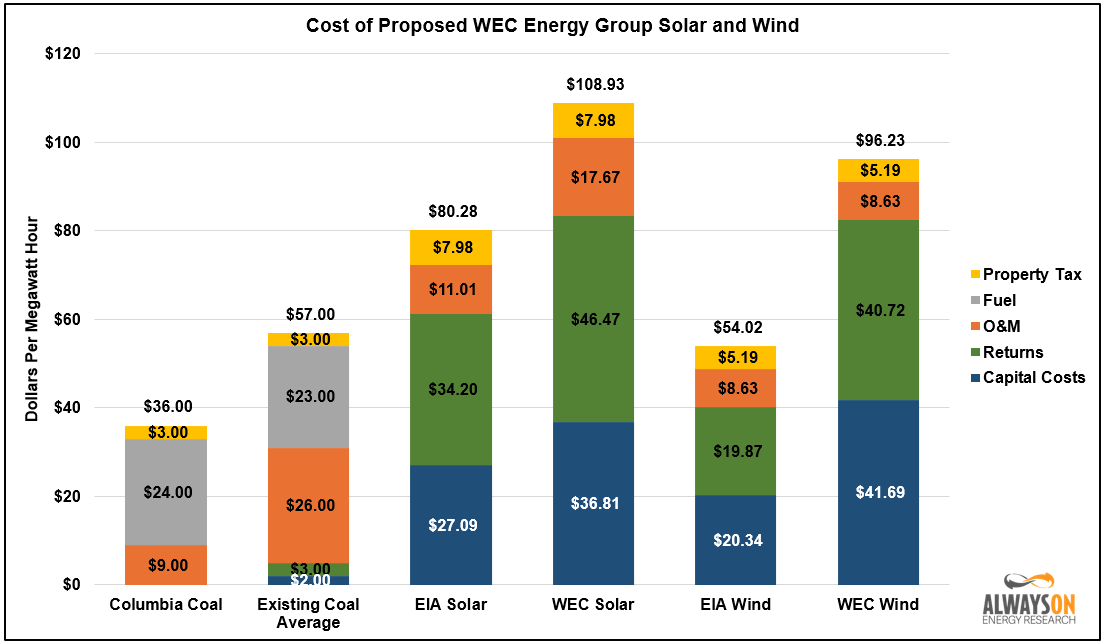
The graph below shows that Columbia produced electricity for just $36 per megawatt-hour (MWh) in 2024, while the coal fleet as a whole produced electricity at an average of $57 per MWh. In comparison, we calculated the cost of new solar to be over $103 per MWh, using capital cost assumptions from the U.S. Energy Information Administration’s (EIA) Electricity Market Module (EMM).
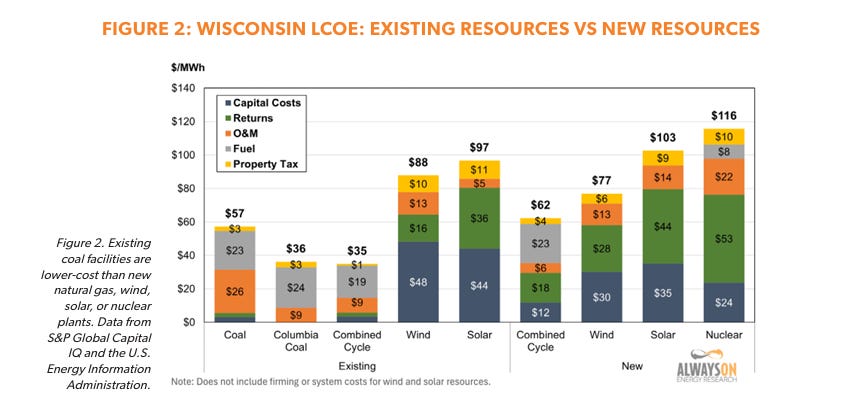
Despite the fact that new wind and solar are much more expensive than existing coal and even new natural gas plants, S&P Global data shows Wisconsinites will also be forced to pay an additional $16.3 billion in the next four years to finance the construction of wind, solar, and battery storage facilities that are more expensive and less reliable than the coal plants they are meant to replace, including projects like Cloverleaf Solar.
The Cloverleaf Cost Conundrum
As a result, unsubsidized costs range from $70.90 to $108.90 per MWh, depending on the facility’s productivity over its lifetime. However, these costs rise to $114.8 per MWh and up to $179.5 per MWh when we include the cost of “firming” solar power with backup generation to ensure Wisconsin has electricity when the sun goes down.
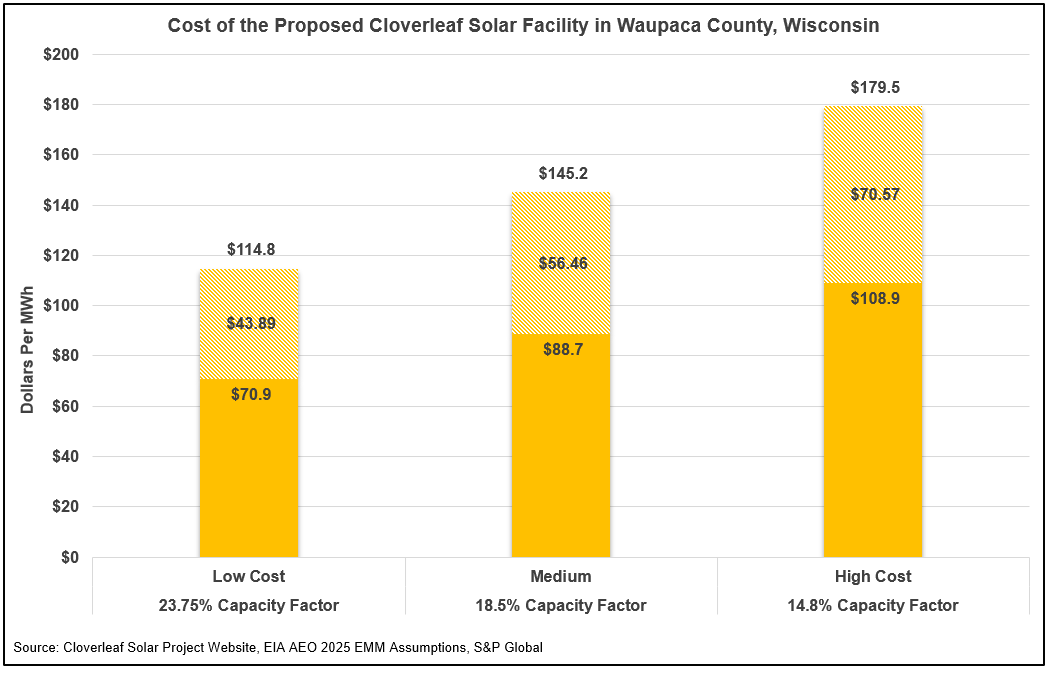
Costs are driven in large part by the fact that Wisconsin is a suboptimal market for solar, with facilities statewide generating just 18.3 percent of their potential output in 2024, and monthly capacity factors in January and February reaching just 5.9 percent.
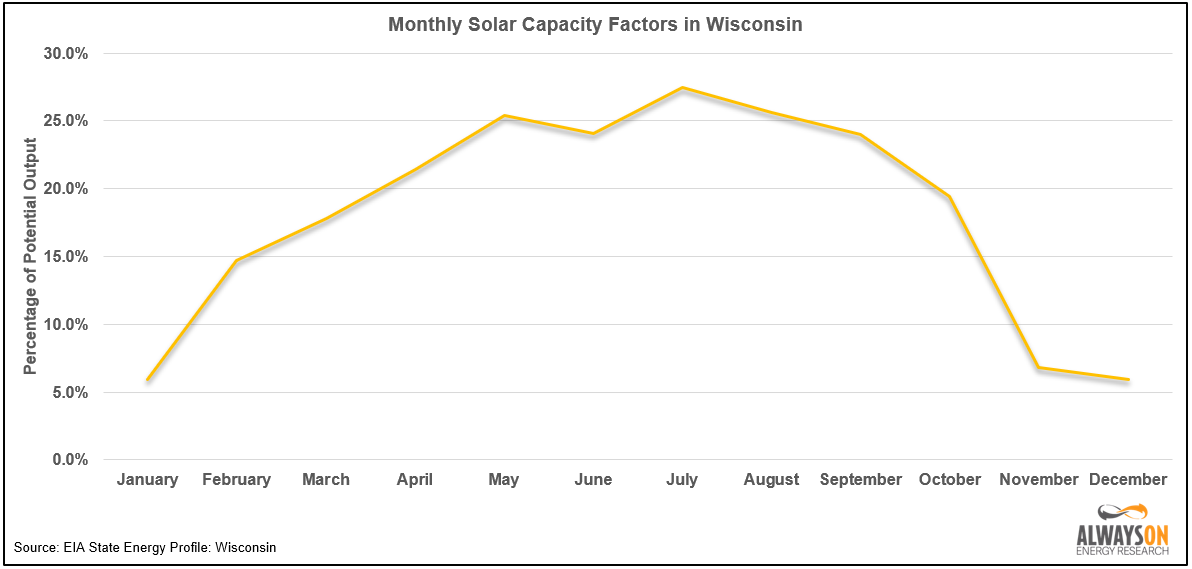
In short, building new solar won’t bring down electricity prices because even when using the most generous assumptions for solar, it is more expensive than new natural gas plants, and it is far more expensive than existing coal plants. These costs are even higher when we consider the firming cost of the resource, which renders projects like Cloverleaf solar utterly uneconomic.
The Beatings Will Continue
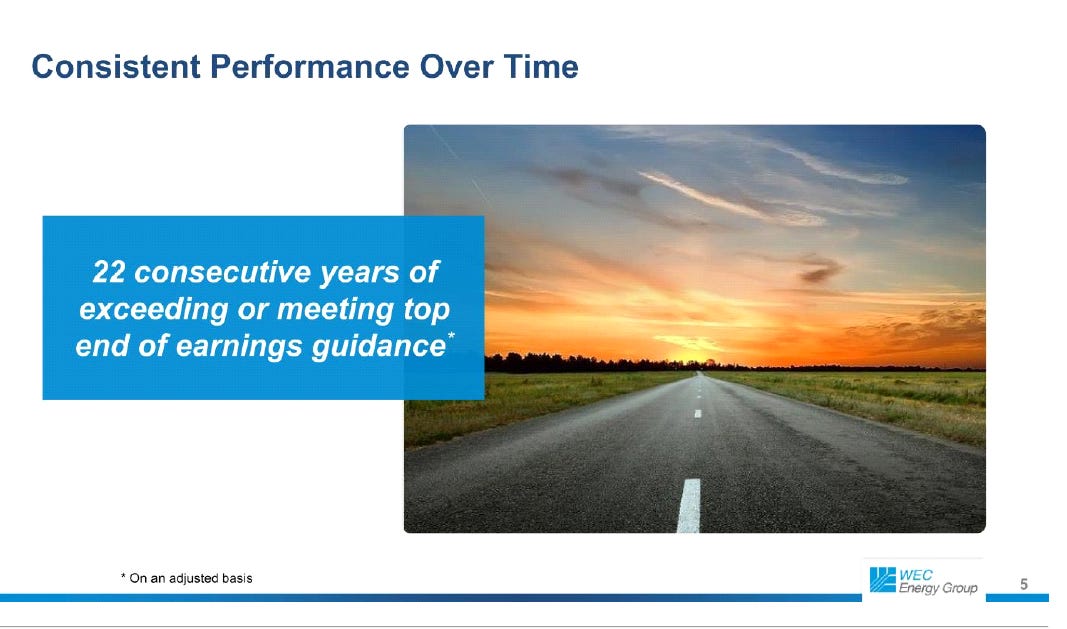
Despite the serious operational limitations of solar in Wisconsin, the Section 1: 8-K filing released by the utilities suggests that much of this rate hike will be malinvested into more solar, battery, wind, and natural gas peaking installations. This spending spree will go far to boost the companies’ corporate profits, which the company boasts have met or exceeded the top-end of its earnings guidance for 22 consecutive years.
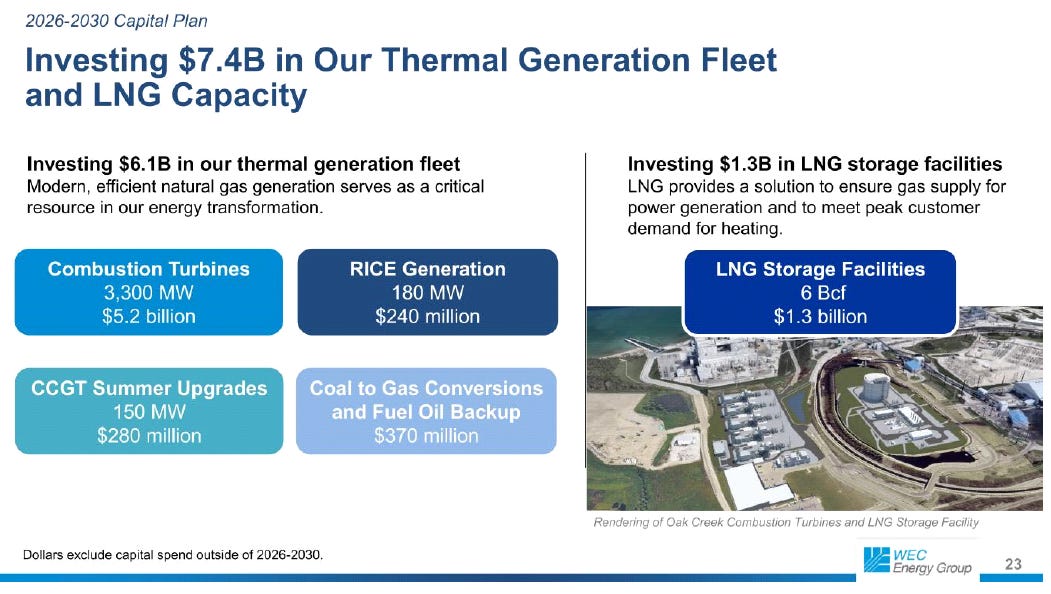
We Energies and WPS customers will be on the hook for $12.6 billion in new solar, storage, and wind projects from 2026 to 2030.1
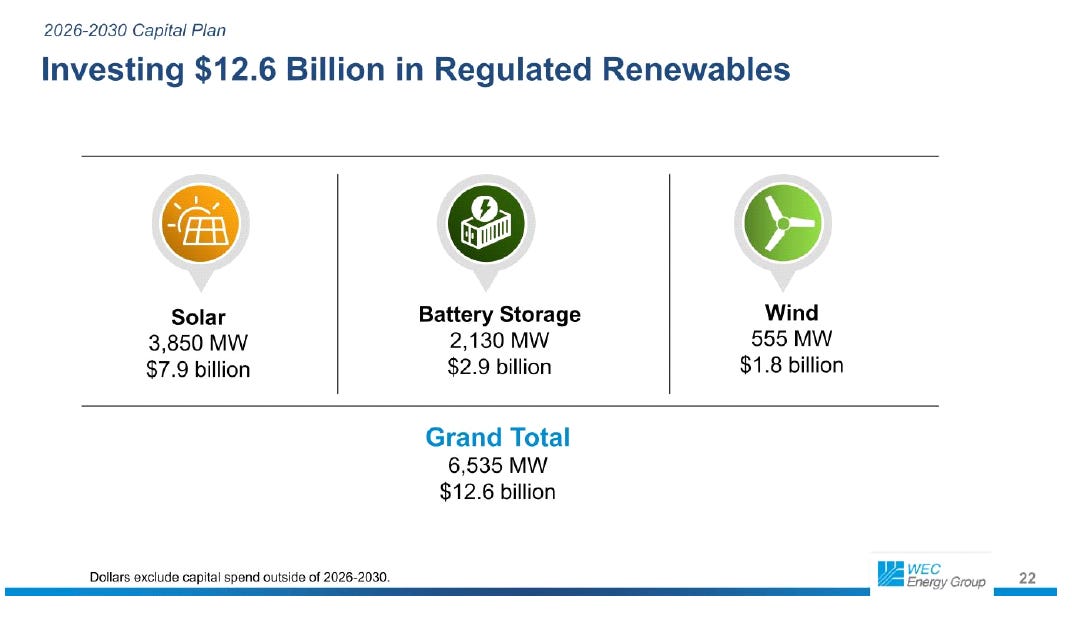
These solar and wind capital cost numbers are absolutely massive. Doing the math, this equates to $3,243 per kW of installed capacity for wind and $2,052 per kW for solar, which are much higher than EIA estimates of $1,582 per kW and $1,409 per kW, respectively.
These inflated capital cost values lead to high per-MWh costs, even when using generous assumptions for wind and solar capacity factors. The graph below shows that the WEC Group’s new unsubsidized solar facilities would cost $108.93 per MWh, and unsubsidized wind would cost $96.23 per MWh.
In what universe does replacing the existing coal fleet, which generates power at costs between $36 and $57 per MWh, make any sense for Wisconsin families and businesses?
WEC Energy Group’s plan also includes spending $5.2 billion on 3,300 MW of combustion turbine capacity used for peaking events. That equates to $1,575 per kW, which is in line with current EIA estimates. However, it’s worth noting that these prices have risen by over 40 percent since the 2021 EIA Annual Energy Outlook was published.
All in all, the Badger state is in for a bad time for their electricity costs.
The Political Problem
The energy affordability problem in Wisconsin is bipartisan.
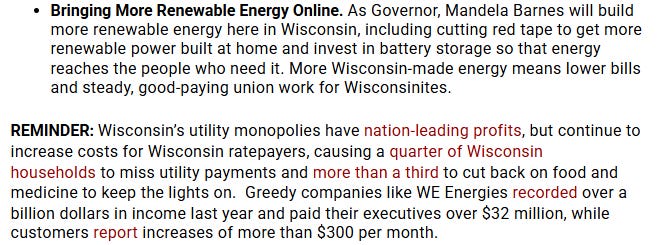
Democrats tend to want to decarbonize as quickly as possible, and they legitimately do not seem smart enough to understand that requiring utilities to spend billions of dollars building wind, solar, and battery storage facilities, and prematurely retiring depreciated, low-cost, reliable coal plants, is exactly what is driving massive corporate profits and raising electricity prices.
Republicans, for their part, have tended to take a hands-off approach to utility regulation under the mistaken belief that utilities are private companies and should be allowed to operate as they see fit.
But electric utilities are not private companies; they are monopolies with the exclusive right to sell power in their service territories, leaving customers with no recourse to lower their costs or improve their service.
These approaches have led to rate increases in different ways. A story in WisPolitics found that Gov. Tony Evers’ picks for the PSC have approved $2.2 billion in utility rate increases since becoming a majority on the body, more than seven times what former Gov. Scott Walker’s nominees did over a similar period.
However, Republicans and the Walker Administration share some responsibility, too. When We Energies announced it would prematurely close the Pleasant Prairie plant, they pretty much shrugged their shoulders and let it happen.
Thankfully, there appears to be a growing number of conservative lawmakers who are interested in requiring utilities to sell, rather than shut down their existing coal plants and question the value of investments in unreliable wind and solar resources.
Conclusion
Rather than allowing utilities to continue to stick it to ratepayers, Badger state policymakers need to give the PSC more oversight into utility retirement decisions, enact the Only Pay for What You Get act to limit utility profits on unreliable resources, and require utilities to sell their existing assets, rather than retire them, and give most of the money back to the ratepayers who funded the plants in the first place.