

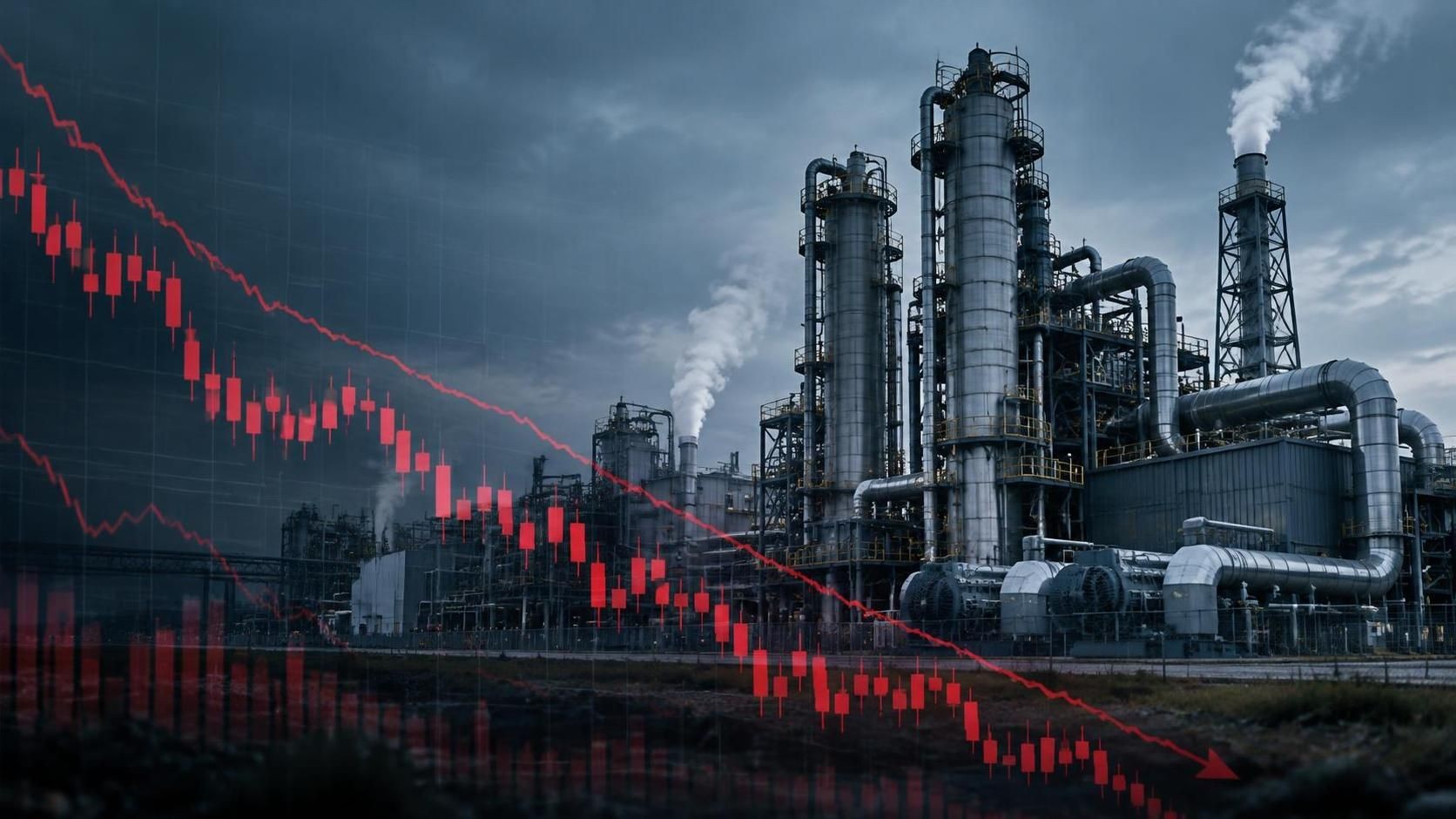
Operating Carbon-Capture Plants Equal 0.18% of Energy Emissions. Governments Earmarked $54 Billion.

Equinor’s CEO told Bloomberg that high costs and “very little CO2” for new contracts are slowing storage deals. About three-quarters of the UK’s £21.7 billion CCS envelope is expected to come from consumer levies. After COP31 ended without a deal, the EU is keeping its carbon border tax while proposing to ease its carbon-market cap. […]

Continue Reading
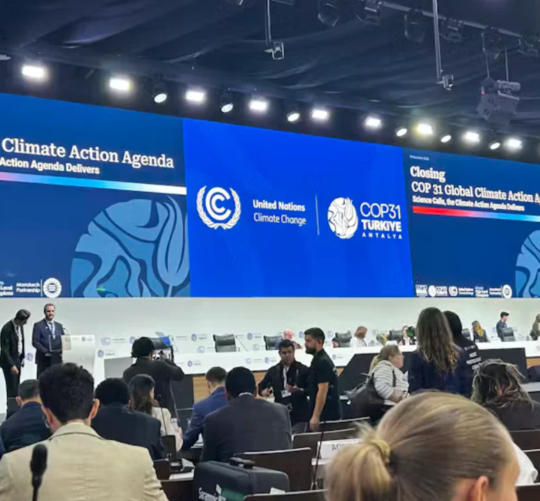
COP31 in Antalya Ended Without a Major Deal After the Longest Climate Summit on Record

After two overtime days, nations rejected a late cover decision. The European Union and island states said the draft was too weak on fossil fuels; oil producers and a Russian delegate pushed back, including on security grounds. A climate-scenario paper says the old highest-emission pathway, SSP5-8.5, has become implausible this century. The United Nations climate […]

Continue Reading

Premeditated Industrial Destruction? How the UK Destroyed Its Industry and a Plan to Reverse This

The United Kingdom once stood as an industrial powerhouse, fueled by abundant domestic oil, gas, and coal reserves that powered manufacturing, jobs, and economic growth. Today, that foundation is crumbling under the weight of Net Zero policies, sky-high energy taxes, regulatory barriers, and a deliberate shift away from reliable hydrocarbons. A powerful new report from […]

Continue Reading

ExxonMobil\’s Low-Carbon Retreat Dovetails Neatly with Trump\’s Energy Policy Revolution

In a bold pivot that echoes the incoming Trump administration\’s emphasis on energy dominance and deregulation, ExxonMobil has announced a significant reduction in its low-carbon investments, slashing spending by a third from $30 billion to $20 billion over the 2025-2030 period. This move redirects capital toward the company\’s core oil and gas operations, prioritizing high-return […]

Continue Reading

California\’s Wildfire Emissions Top Its Power Plants, but Go Uncounted

This exclusion stems from a technicality known as the \”fast carbon cycle,\” which assumes forests will quickly reabsorb the released carbon. However, with longer fire seasons and degraded ecosystems, this assumption is increasingly unreliable, potentially masking the true scale of California\’s climate impact. The problem is compounded by decades of horrific land management practices that […]

Continue Reading