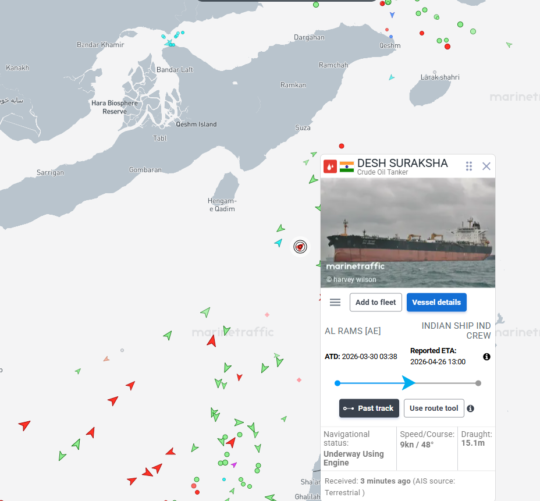
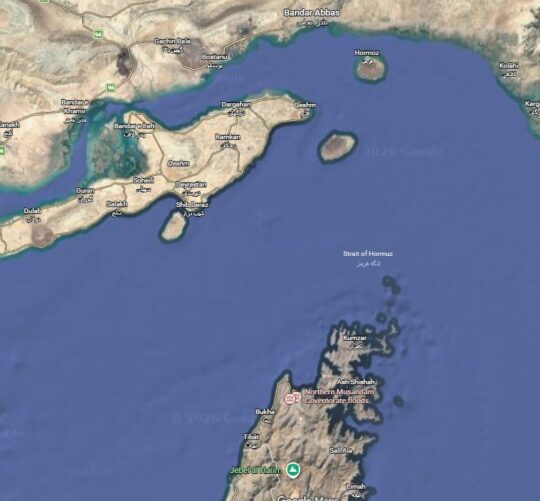
Oil Tankers and Traffic Test Hormuz Reopening

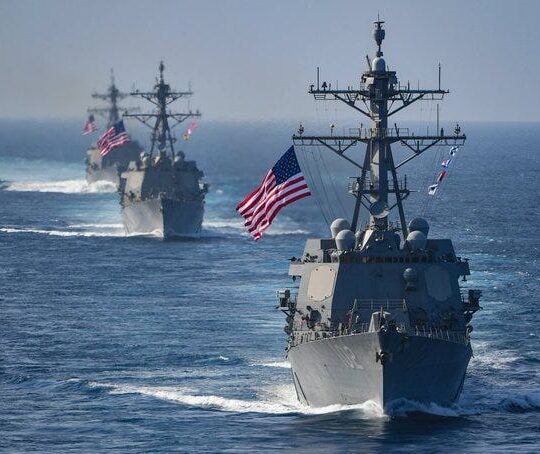
In a significant development for global energy markets, Iran announced today that the Strait of Hormuz is now “completely open” to commercial shipping for the remainder of the fragile ceasefire period tied to the Lebanon truce. The announcement, made by Iranian Foreign Minister Abbas Araghchi, comes amid ongoing U.S. naval restrictions on vessels calling at […]

Continue Reading

A Structural Shift in Capital Allocation in the Energy Sector is Underway Due to the Iran Conflict

The 2026 Iran conflict, which escalated in late February with U.S.-Israeli strikes and Iranian retaliation—including the effective closure of the Strait of Hormuz and attacks on energy infrastructure—has triggered the largest supply disruption in global oil market history. Nearly 20% of the world’s oil and significant LNG volumes have been taken offline, sending Brent crude […]

Continue Reading

Dallas Fed Impact Study of the 2026 Iran War on U.S. Inflation: A Scenario Analysis

As the 2026 Iran War continues to ripple through global energy markets—particularly with disruptions tied to the Strait of Hormuz—policymakers, energy producers, and consumers are closely watching the inflationary fallout. A timely new working paper from the Federal Reserve Bank of Dallas provides a rigorous, scenario-based framework for quantifying exactly how oil price shocks from […]

Continue Reading

President Trump Said Gas Prices May Stay Elevated Till the Midterms: A Deep Dive into the Iran War Unwind and Global Oil Market Realities

President Donald Trump’s recent comments on Fox News’ Sunday Morning Futures have sparked intense debate in energy circles. In the April 12, 2026 interview, Trump acknowledged that U.S. gasoline prices “could be the same or maybe a little bit higher” by the November midterm elections, despite earlier hopes for a quick resolution. This marks a […]

Continue Reading